November 4, 2026
Two Listening Sessions, Only One That Listened
By Jodie Kluver
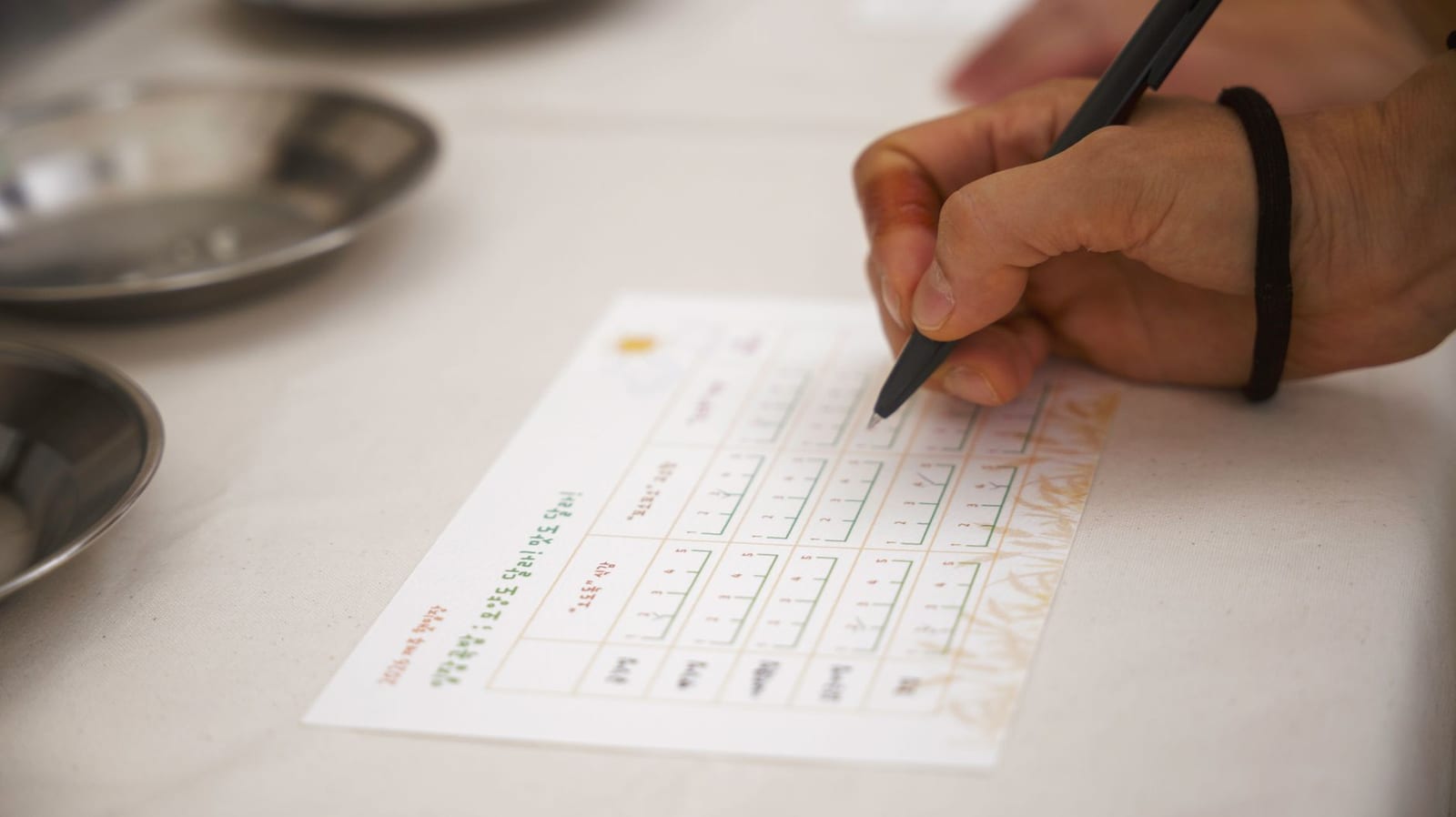
Picture the Same Flyer, Two Different Rooms
Say two towns each hold a public meeting about a new park. The flyer looks almost the same both times: a date, a location, a line about "community input." But what happens inside those two rooms can produce completely different results, even though both organizations will later claim they "engaged the public."
I have sat through versions of both. After enough of them, the differences stop looking small.
The Session That Changes Nothing
In the first room, staff or board members sit at the front. They present a plan that is already mostly finished, with a site map and a budget already drafted. Then they open the floor for "comments."
People line up at a microphone. Each person gets two minutes. A staffer writes down a few words on a flip chart. Nobody responds to what was said, because the format does not allow for a response. The meeting ends on time. The notes go into a file.
Three months later, the plan moves forward almost exactly as it was presented that night. If you ask the people who spoke whether anything they said changed the outcome, most will not know. Some will tell you they didn't bother to show up the second time around.
That is not citizen engagement. It is a public comment period wearing the clothes of one.
The Session Where the Agenda Isn't Finished Yet
In the second room, the plan on display is a draft, and it looks like one: pencil marks, open questions, maybe two options instead of one. The people running it ask a question before they say anything else: what would make this park something you'd actually use?
They break people into small groups instead of lining them up at a microphone. A facilitator sits with each group and writes down what people say in their own words, not a summary. Before anyone leaves, someone reads the list back and asks if it's accurate.
A few weeks later, a follow-up goes out. It doesn't just thank people for coming. It says what changed because of what they said, and what didn't change and why. That second part matters as much as the first. People can accept "we couldn't do that because of the budget." What they can't accept is silence.
What Separates Them
The difference is not budget, and it isn't the size of the organization. Both of these meetings can happen on the same night, in towns of the same size, for the same kind of project.
The difference is sequencing. The first room asks people to react to something finished. The second room asks people to shape something unfinished. Once a plan is final, asking for input is mostly theater, however well-intentioned the people running it are.
The other difference is what happens to the notes. Sticky notes and flip-chart pages that get photographed and filed are not the same as notes that get sorted, counted, and fed back into a decision with a specific line attached: "this came from residents, and here is what we did with it." Voice that isn't acted on, or at least acknowledged, teaches people not to give it next time.
A Smaller Test for Your Next Meeting
Before any listening session, informal gathering, or neighborhood meeting, I ask myself one plain question: what in this room is still genuinely undecided? If the honest answer is "nothing," the format should change. Either delay the meeting until there's a real decision left to shape, or be upfront that this is an information session rather than an engagement one and call it that.
Groups that get this right don't always have more resources. They just protect the sequence: real input before the plan is locked, and a visible accounting of what happened to that input afterward. That's the whole mechanism. It isn't complicated to describe. It's just easy to skip when a deadline is close and a draft already exists.
If you want to know whether a public process actually listened, don't ask the organizers. Ask the people who sat in the room, a year later, whether they'd come back.